How Photo Studios Are Handling Estate Photo Collections: Bulk Restoration Pricing, Workflows, and Profit Margins in 2026
Why Estate Photo Collections Are Flooding Studios in 2026
The numbers tell the story: over 30 million Baby Boomers in the U.S. alone are now over 80, and estate settlements are generating unprecedented volumes of old photos that families want preserved. Studios that once handled 20-50 restoration jobs per month are now fielding requests for 500 to 2,000+ images from a single estate.
The problem isn't demand — it's that most studios are still pricing and processing estate work the same way they handle one-off restorations. That approach leads to three-month backlogs, razor-thin margins, and exhausted staff. Studios that have cracked the code on bulk workflows are turning estate collections into their most profitable service line.
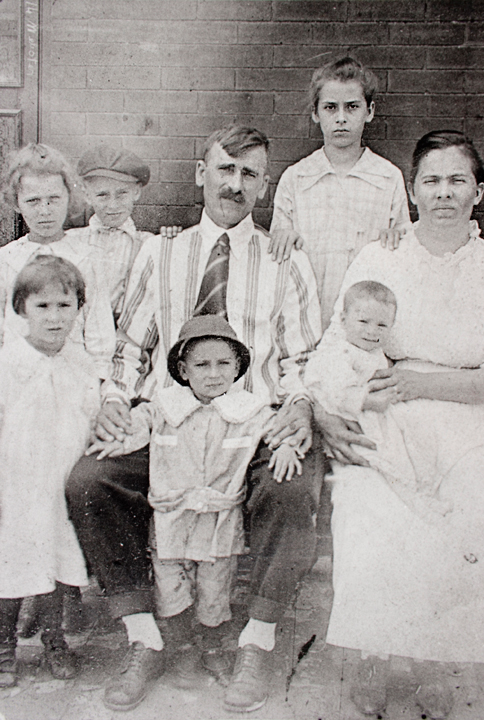
Before Restoration
Faded, grainy, and deteriorated vintage photo

After RestoreGram
Vibrant, clear, and beautifully restored
Three Pricing Models That Actually Work for Bulk Restoration
After surveying studios across 12 countries handling estate work, three pricing frameworks consistently outperform hourly billing:
1. Tiered Per-Photo Pricing
This is the most popular model for estate collections. Set three tiers based on damage level — light (dust, minor fading), moderate (creases, stains, partial tears), and heavy (missing sections, severe water damage). A common 2026 rate structure looks like this:
- Light restoration: $8–$15 per photo
- Moderate restoration: $20–$40 per photo
- Heavy restoration: $50–$90 per photo
- Digitization only (no restoration): $1.50–$4 per photo
Volume discounts of 15–25% on collections over 500 photos still keep margins healthy while making the total project cost palatable for estate executors.
2. Project-Based Flat Fee
For collections over 1,000 images, quote a flat project fee after a paid assessment session ($150–$300). Sort a representative sample of 50 photos to estimate the damage distribution, then calculate your total. This protects you from scope creep and gives the client a clear number for estate budgeting.
3. Hybrid: Digitize All, Restore Select
The most profitable approach. Digitize the entire collection at a low per-scan rate, then let the family choose 100–200 priority photos for full restoration. Average project revenue with this model: $3,500–$8,000 per estate, with margins between 55–70%.
Building a Bulk Workflow That Doesn't Burn Out Your Team
Speed without sacrificing quality requires a clear assembly-line process. Here's what high-volume studios are doing in 2026:
- Intake and cataloging: Photograph each original with a smartphone for a reference catalog before touching anything. Number every photo with archival-safe labels.
- Batch scanning: Use a dedicated feed scanner for prints in good condition and a flatbed for fragile items. Target 600 DPI minimum for restoration work.
- AI-assisted first pass: Run the entire batch through RestoreGram to handle automated scratch removal, sharpening, and face enhancement. This eliminates 60–80% of manual work on light-to-moderate damage photos.
- Manual refinement: Your skilled retouchers focus only on heavy damage and AI edge cases. This is where their expertise matters most.
- Quality check and delivery: Use the image resizer tool to prepare final files in multiple formats — print-ready, web, and archive.
Studios using this workflow report processing 150–300 photos per day with a two-person team, compared to 20–30 photos with fully manual methods.
Turning Estate Work Into Recurring Revenue
The smartest studios don't treat estate collections as one-time projects. They build ongoing relationships with estate attorneys, elder care facilities, and funeral homes who refer families regularly. One studio in Melbourne generates 40% of its annual revenue from just three referral partners.
Offer a digital preservation package that includes cloud backup and future colorization services. Families who receive beautifully restored photos almost always come back for colorization of their favorites.
The estate photo market in 2026 rewards studios that systematize. Combine clear tiered pricing, an AI-accelerated workflow with tools like RestoreGram, and strategic referral partnerships — and you'll build a service line that scales without sacrificing the craftsmanship your clients expect.