The Analog Renaissance: Why Photo Studios Are Bringing Back Film and Darkroom Services in 2026
The Analog Renaissance: Why Photo Studios Are Bringing Back Film and Darkroom Services in 2026
Film photography isn't a novelty anymore. It's a revenue engine. Physical film sales climbed 40% year-over-year through 2025, and studios that launched darkroom services last year are now reporting 3x revenue growth in 2026. The analog photography revival is being driven by an unlikely demographic: Gen Z consumers hungry for tactile, authentic experiences in a world saturated with AI-generated imagery.
If your studio hasn't explored film processing, vintage photography packages, or hybrid workflows yet, you're leaving serious money on the table. Here's how to capitalize on the film photography revival strategically.
Understanding the Market: Why Analog Photography Is Thriving
Digital fatigue is real. After years of perfectly filtered, algorithmically optimized images, consumers crave imperfection. They want grain, light leaks, and the anticipation of waiting for developed film. This isn't nostalgia photography for retirees — it's a cultural movement led by 18-to-30-year-olds who grew up entirely digital and now romanticize what they never experienced.
The business case is straightforward:
- Higher perceived value. Clients willingly pay 2-4x more for film sessions compared to digital-only shoots.
- Recurring revenue. Film processing, scanning, and darkroom rentals create repeat visits that digital sessions don't.
- Differentiation. In a market where every studio offers digital portraits, analog services make you memorable.
- Community building. Darkroom workshops and film clubs generate loyal client bases and organic word-of-mouth.
Studios succeeding in this space aren't abandoning digital. They're becoming hybrid studios — offering the best of both worlds while using digital tools like RestoreGram to bridge the gap between analog capture and modern delivery expectations.
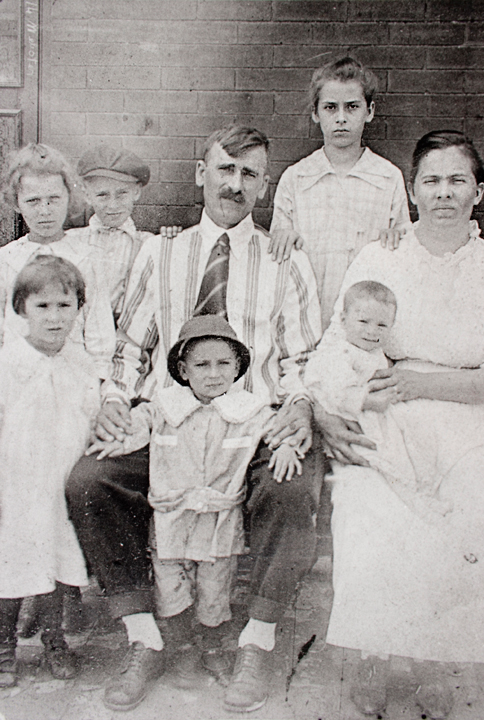
Before Restoration
Faded, grainy, and deteriorated vintage photo

After RestoreGram
Vibrant, clear, and beautifully restored
Setting Up Film Services: Equipment, Pricing, and Workflow
Essential Equipment
You don't need a massive investment to start. A practical entry-level setup includes:
- Film processing tanks and chemistry — Paterson tanks, C-41 and black-and-white chemistry kits ($300-500 to start)
- A quality film scanner — The Plustek OpticFilm 8200i or Epson V850 remain workhorses for film scanning in 2026 ($500-1,200)
- Darkroom essentials — Enlarger, safelights, trays, and ventilation for a small dedicated space ($1,500-3,000 used)
- Rental cameras — Stock 3-5 beginner-friendly film cameras (Canon AE-1, Pentax K1000) for client sessions ($150-300 each)
Pricing Strategy
Don't undercharge. Film services carry inherent scarcity and craftsmanship that justify premium pricing:
- Film development only: $15-25 per roll
- Development + high-resolution scanning: $30-50 per roll
- Darkroom rental (hourly): $25-40/hour
- Film portrait sessions (camera + film + development + scans): $250-500
- Darkroom workshops (group, 3-hour): $75-120 per person
Once scans are complete, use digital tools to enhance results. Clients often bring in older family negatives alongside their new film — a perfect opportunity to offer AI-powered photo restoration and black-and-white colorization services as upsells.
Marketing Film Services to Younger Demographics
Gen Z doesn't respond to traditional studio advertising. Here's what works:
Show the process, not just the product. Short-form video of film developing, darkroom printing, and that first look at negatives performs exceptionally well on social platforms. The process is the content.
Offer "shoot and develop" date nights and group experiences. Position darkroom time as an experience, not just a service. Studios running monthly darkroom workshops are booking out weeks in advance.
Bundle analog with digital delivery. Clients want the analog experience but still need digital files. Scan film at high resolution using RestoreGram for enhancement, then deliver via gallery — and use your image resizer to optimize files for both print and social sharing.
Create preservation packages. Many young clients discovering film also inherit family archives. Combine new film services with family photo preservation offerings for a compelling full-service pitch.
The analog renaissance isn't a passing trend — it's a structural shift in how people value photography. Studios that invest now in hybrid workflows will own this market for years to come.